

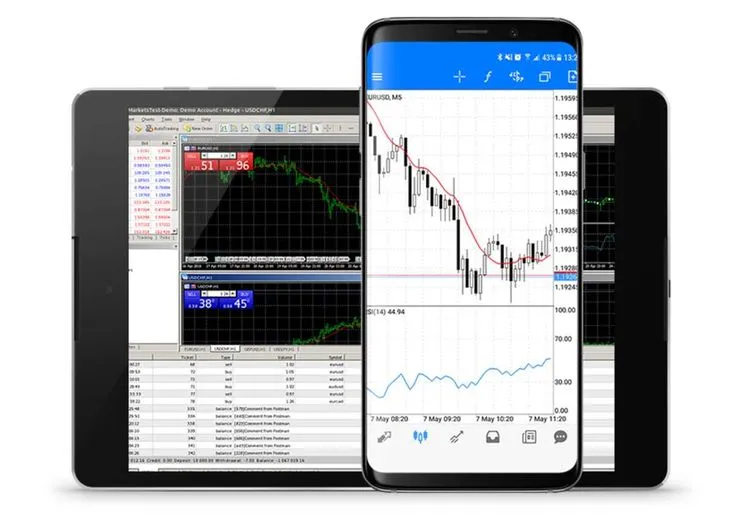
Choosing between desktop software and mobile access depends largely on how a trader prefers to study markets and manage practice sessions. Someone exploring application trading forex options should compare screen space, charting tools, order controls and convenience rather than assuming one format is automatically superior. Mobile apps make market access easier when away from a computer, while desktop platforms can provide a more detailed analytical workspace. Understanding these differences helps beginners create a setup that supports organised practice and disciplined decision-making.
Desktop Platforms for Detailed Analysis
A desktop trading platform can be useful when traders want to study several charts or pieces of market information at the same time. Larger screens make it easier to compare timeframes, apply indicators and review open positions without constantly switching views. This can support more deliberate analysis, particularly when a strategy depends on identifying trends or important price levels. However, additional screen space only helps when the workspace remains organised. Filling charts with excessive indicators can make decisions more confusing rather than improving the quality of analysis.
Mobile Apps for Flexible Monitoring
Mobile forex apps are designed around convenience and portability. Traders can review watchlists, check charts and monitor existing positions without remaining at a desk. This flexibility can be useful when following markets during the day, although constant access may also encourage unnecessary trading. Beginners should avoid treating every price notification as a reason to act. Mobile tools are most useful when they support an existing plan, allowing traders to monitor previously identified setups while maintaining the same entry, exit and risk rules developed during structured analysis.
Practising Through MT5
Using an mt5 demo account can help beginners become familiar with desktop trading functions while working with simulated funds. Traders can practise selecting instruments, changing chart timeframes, placing different order types and applying stop-loss or take-profit instructions. Demo access also provides an opportunity to test a trading routine without immediately exposing personal capital. However, simulated results should remain in perspective because live trading introduces real financial pressure, changing execution conditions and emotional reactions that a practice environment cannot fully reproduce.
Compare Order Management
Order management can feel different across desktop and mobile interfaces even when the underlying trading process is similar. A desktop screen may display position size, order type and account information together, while a mobile app may require users to move between several screens. Traders should practise entering, modifying and closing positions on both formats before relying on either one. Familiarity reduces the chance of operational errors. The goal should be accurate execution of a prepared trading plan rather than selecting the device that allows orders to be placed fastest.
Consider Your Trading Routine
The right platform also depends on how much time a trader can dedicate to analysis. Someone who studies markets at fixed times may prefer a desktop environment because it encourages focused sessions. Another trader may need mobile access to monitor an existing position while travelling or working elsewhere. Using both can also be practical. The important point is to assign each device a clear role. Switching from desktop to mobile should not become an excuse to alter risk levels or enter positions without completing the original analysis.
Keep Risk Rules Consistent
Risk management should remain identical regardless of which device is being used. Traders need to decide position size, acceptable loss and exit levels before confirming an order. Margin and leverage should also be understood because leverage can magnify both gains and losses. A smaller mobile screen should not lead to less careful risk assessment, and a larger desktop workspace should not encourage more complicated positions. Keeping the same rules across devices makes results easier to review and helps traders identify whether decisions are based on strategy rather than convenience.
Conclusion
MT5 desktop and mobile forex apps can both support trading practice, but they serve different needs. Desktop access may be better suited to detailed chart analysis and planned sessions, while mobile tools provide flexibility for monitoring markets and managing existing positions. Traders reviewing btcdana.com can explore available platform options as part of their broader research while deciding which setup matches their routine. Forex and CFD trading involve financial risk, so whichever format is chosen should support careful analysis, controlled exposure and consistent decision-making rather than impulsive activity.